
Targeted Neuro Rehabilitation to Restore Oxygen Regulation, Neurolasticity, and Brain Function
After a traumatic brain injury (TBI) or concussion, many patients continue to experience symptoms even when CT or MRI imaging appears normal. This is because brain injury frequently disrupts how the brain regulates blood flow, oxygen delivery, and cellular energy, rather than producing obvious structural damage.
Adaptive Contrast Oxygen Therapy (ACOT) is a non-invasive, exercise-assisted therapy designed to help retrain the brain’s oxygen delivery and utilization systems. At Optimus Injury Treatment Center, ACOT is used selectively and adjunctively, guided by objective neurologic testing and patient-specific clinical findings.
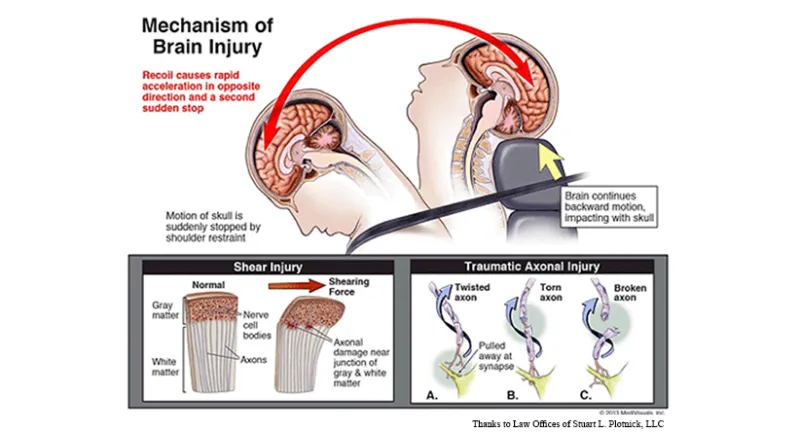
Why Oxygen Regulation Is Disrupted After TBI
Although the brain accounts for only about 2% of total body weight, it consumes roughly 20% of the body’s oxygen. Following concussion or TBI, common physiologic disruptions include:
- Dysregulated cerebral blood flow
- Capillary constriction or closure
- Increased neuroinflammation and metabolic demand
- Reduced mitochondrial efficiency
- Impaired oxygen delivery and utilization
This mismatch between oxygen supply and demand contributes to persistent symptoms such as:
- Brain fog and slowed processing
- Fatigue and reduced stamina
- Headaches
- Dizziness and balance problems
- Poor exercise tolerance
- Difficulty concentrating
Simply breathing oxygen at a constant level does not reliably correct these dysfunctions. Recovery requires adaptive retraining of the neurovascular system.
How Adaptive Contrast Oxygen Therapy Works
Adaptive Contrast Oxygen Therapy works by training the brain’s oxygen-regulation mechanisms, not by passively delivering oxygen.
During each session, patients perform light, closely supervised exercise while breathing air that alternates between two controlled oxygen phases:
Mild Hypoxia (Low-Oxygen Phase)
- Simulates moderate altitude exposure
- Signals oxygen scarcity to the brain
- Promotes cerebral vasodilation
- Recruits under-perfused capillaries
- Activates adaptive cellular pathways involved in repair and survival
Hyperoxic Recovery (High-Oxygen Phase)
- Delivers oxygen when blood vessels are maximally open
- Improves oxygen diffusion into brain tissue
- Supports mitochondrial energy production (ATP)
- Enhances neurologic recovery following exertion
This rapid contrast creates a strong physiologic stimulus that encourages restoration of efficient oxygen regulation and cerebral autoregulation.
Neurological Benefits Relevant to TBI Recovery
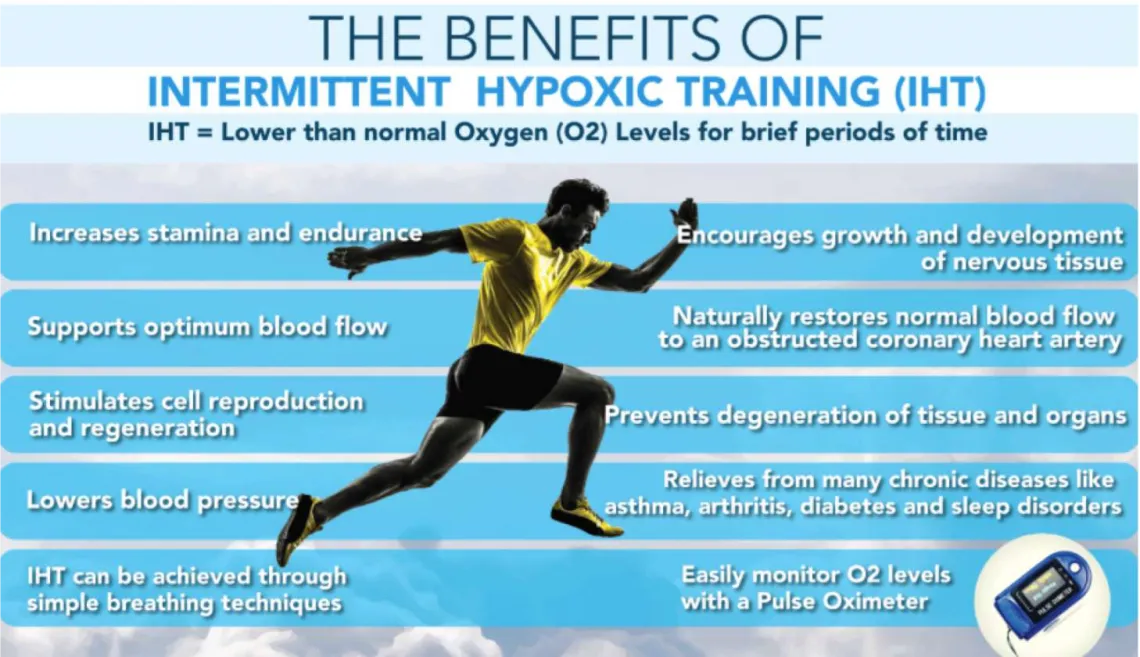
Adaptive Contrast Oxygen Therapy is used to support multiple recovery mechanisms, including:
🧠 Cerebral Blood Flow & Neurovascular Coupling
- Improves vascular responsiveness
- Enhances oxygen delivery to injured or under-perfused regions
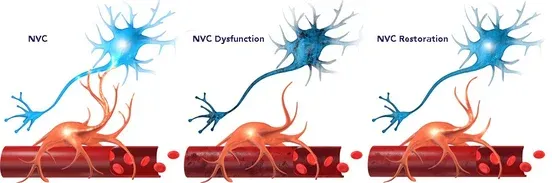
- Supports coordination between blood flow and neural demand
⚡ Mitochondrial & Cellular Energy Function
- Improves ATP production
- Supports neurons under metabolic stress
- Helps reduce post-exertional neurologic fatigue
🔄 Neuroplasticity & Functional Recovery
- Encourages adaptive responses to metabolic stress
- Supports brain reorganization during rehabilitation
- Enhances responsiveness to cognitive, vestibular, and physical therapies
🧘 Autonomic Nervous System Regulation
- Improves cardiovascular and respiratory regulation
- Increases exercise tolerance
- Reduces symptom flares associated with exertion
Supporting Neuroplasticity and BDNF Production
Recovery from traumatic brain injury depends heavily on neuroplasticity—the brain’s ability to adapt, reorganize, and repair. A key biological driver of this process is Brain-Derived Neurotrophic Factor (BDNF), often described as “fertilizer for the brain.”
BDNF plays a critical role in:
- Neuron survival and repair
- Synaptic growth and strengthening
- Learning and memory
- Functional reorganization after injury
After TBI, BDNF production may be reduced or dysregulated, limiting recovery.
What the Research Shows
Based on findings from recent research, exercise-based adaptive oxygen protocols have been associated with substantial increases in BDNF, with reported ranges from approximately 284% to over 2,000% in certain study populations. While individual responses vary and protocols differ, these findings highlight the powerful neuroplastic stimulus created when controlled oxygen contrast is combined with appropriately dosed exercise.
How ACOT Supports BDNF
ACOT enhances the biologic environment for BDNF activity by combining:
- Oxygen Contrast (Low → High Oxygen)
Activates adaptive cellular signaling linked to neuroplasticity and vascular recruitment. - Exercise-Driven Neuroplastic Demand
Exercise is one of the strongest natural stimulators of BDNF when introduced safely and progressively. - Improved Mitochondrial Efficiency
Supports energy-dependent neuroplastic processes and reduces post-exercise neurologic fatigue.
Together, these effects support BDNF-mediated brain recovery and help make other rehabilitation therapies more effective.
How We Determine Who Receives Contrast Oxygen Therapy
At Optimus Injury Treatment Center, Contrast Oxygen Therapy is never applied automatically.
We identify traumatic brain injuries at an alarming rate using the CNS Vital Signs® Post-Concussion / TBI Evaluation Battery, a validated neurocognitive assessment designed to detect functional brain impairment that frequently does not appear on CT or MRI imaging.
This objective testing evaluates:
- Attention
- Processing speed
- Executive function
- Memory
- Reaction time
Therapy Is Prescribed Based on Objective Findings
ACOT is recommended only when:
- CNS Vital Signs testing demonstrates post-concussive impairment
- Findings correlate with symptoms and mechanism of injury
- The patient demonstrates neurologic dysfunction or exercise intolerance
An Integrated, Whole-Patient Treatment Approach
When clinically indicated, Adaptive Contrast Oxygen Therapy is used adjunctively, alongside:
- Chiropractic and rehabilitative care
- Acupuncture and dry needling
- Neurologic and functional diagnostics
- Cognitive and movement-based rehabilitation
This comprehensive model addresses neurologic recovery, metabolic efficiency, and global functional restoration.
What Patients Can Expect During Treatment
- Sessions typically last 15–30 minutes
- Performed at normal atmospheric pressure
- Light, controlled exercise only
- Oxygen levels and exercise intensity tailored to tolerance
- Continuous monitoring of symptoms and heart rate
Many patients report:
- Improved mental clarity
- Reduced brain fatigue
- Better tolerance to activity
- Faster recovery after exertion
- Improved focus and stamina
Individual results vary based on injury severity and clinical presentation.
Safety, Monitoring, and Documentation
Adaptive Contrast Oxygen Therapy is:
- Non-invasive and drug-free
- Carefully monitored and patient-specific
- Adjusted based on neurologic response
- Fully documented in the medical record
Treatment is integrated into progress reports and available for expert narrative summaries when required for legal or insurance review.
Attorney-Facing Summary
Adaptive Contrast Oxygen Therapy:
- Is grounded in accepted neurovascular and metabolic physiology
- Is prescribed based on objective functional testing
- Addresses impairments not visible on imaging
- Aligns with modern neurorehabilitation standards
- Can be clearly explained and defended under review or cross-examination
Schedule a Neurologic Evaluation
Normal imaging does not rule out traumatic brain injury.
Objective functional testing often reveals a very different clinical picture.
📞 Contact Optimus Injury Treatment Center to schedule CNS Vital Signs testing and determine whether Adaptive Contrast Oxygen Therapy is clinically appropriate.