At Optimus Injury Treatment Center, every patient who walks through our door has been hurt in an accident, injured on the job, or affected by a traumatic event. That is the entirety of what we do. No maintenance care. No general wellness. No commercial patients. Our practice exists at the intersection of serious injury and the advocacy that follows it — and we have built every clinical system around that single purpose.
We are a personal injury chiropractic and functional rehabilitation practice serving patients across Delaware and southeastern Pennsylvania, with our primary clinic in Dover, DE and satellite locations extending our reach statewide.
Electrodiagnostic Testing for Nerve Injuries After a Car Accident
What EMG and NCV Testing Actually Measures
Electromyography (EMG) and nerve conduction velocity (NCV) testing are the clinical standard for diagnosing nerve root and peripheral nerve injuries after trauma. They measure two distinct things that, together, give a complete picture of nerve function.
Needle EMG records the electrical activity inside muscles, both at rest and during contraction. Abnormal activity patterns identify which muscles are affected and whether the nerve supplying them has been damaged. NCV testing measures how quickly electrical signals travel along a peripheral nerve. A slowed or blocked signal indicates nerve compression, irritation, or injury along a specific pathway.
Together, these two tests can confirm radiculopathy, peripheral nerve injury, and nerve root compression from disc herniation; conditions that are common after motor vehicle accidents and that do not always appear clearly on MRI or X-ray alone.
Why Shooting Pain and Numbness After an Accident Demands This Test
Radiating pain down an arm or leg, numbness in the fingers or feet, and persistent weakness following a collision are not vague complaints. They are clinical indicators of nerve involvement, and without electrodiagnostic testing, that involvement goes unquantified.
EMG NCV testing for car accident injuries in Delaware is how those symptoms get converted into measurable, defensible findings. The test identifies which nerve roots are affected, how severely, and whether the injury pattern is consistent with the mechanism of the accident. That specificity matters both for your treatment and for your claim.
If you've been told your imaging is "normal" but you're still experiencing radiating pain or numbness, electrodiagnostic testing is the next appropriate clinical step.
One Office. No Referral Runaround.
Most patients pursuing a personal injury claim after an auto accident are sent to multiple facilities for different tests; imaging at one location, specialist evaluations at another, electrodiagnostic testing somewhere else. Every separate referral creates a documentation gap and a delay.
At Optimus, EMG and NCV testing is performed in-office at our Dover clinic. Your treating provider orders the test, the test is performed in the same facility, and the findings are integrated directly into your clinical record. No referral to an outside electrodiagnostic lab. No fragmented records. No missing links in the documentation chain.
This is what a one-stop injury practice is built to do.
What EMG and NCV Findings Mean for Your Personal Injury Case
For attorneys and case managers, electrodiagnostic testing is among the most defensible forms of nerve injury documentation available. EMG and NCV findings are objective; they are not self-reported symptoms, and they are not subject to the interpretive variability that sometimes affects imaging reads.
Specific findings that strengthen personal injury documentation include:
- Confirmed radiculopathy at a specific nerve root level, consistent with the accident mechanism
- Peripheral nerve injury with measurable conduction delay or signal disruption
- Nerve root compression findings that correlate with disc herniation identified on MRI
- Laterality and severity data that quantifies the degree of nerve involvement
- A documented baseline that supports ongoing treatment and future damages arguments
Optimus structures all clinical reports with litigation use in mind. EMG and NCV findings are presented with the causation language and specificity that PI attorneys need to move a nerve injury claim forward.
Who Should Be Evaluated for Electrodiagnostic Testing After an Accident
Not every accident patient needs EMG and NCV testing. The patients who benefit most are those whose symptoms suggest nerve involvement that hasn't been fully explained or documented.
You are a strong candidate for electrodiagnostic testing if you have experienced any of the following since your accident:
- Shooting or burning pain that travels down an arm, leg, shoulder, or hip
- Numbness, tingling, or a pins-and-needles sensation in the hands, fingers, feet, or toes
- Unexplained muscle weakness in an arm or leg
- Neck or back pain with radiating symptoms that imaging has not fully explained
- Symptoms that have persisted or worsened since ER discharge
If your attorney has identified nerve injury as a component of your claim and you don't yet have electrodiagnostic findings in your record, that is a documentation gap worth closing.
Common Questions About EMG and NCV Testing for Car Accident Injuries
What is EMG and NCV testing, and why is it ordered after a car accident?
EMG (electromyography) measures the electrical activity inside muscles to detect nerve damage. NCV (nerve conduction velocity) testing measures how fast electrical signals travel through a peripheral nerve. Together, they identify and quantify nerve root injuries, radiculopathy, and peripheral nerve damage; conditions that are common after motor vehicle accidents and that often don't appear clearly on standard imaging.Does needle EMG testing hurt?
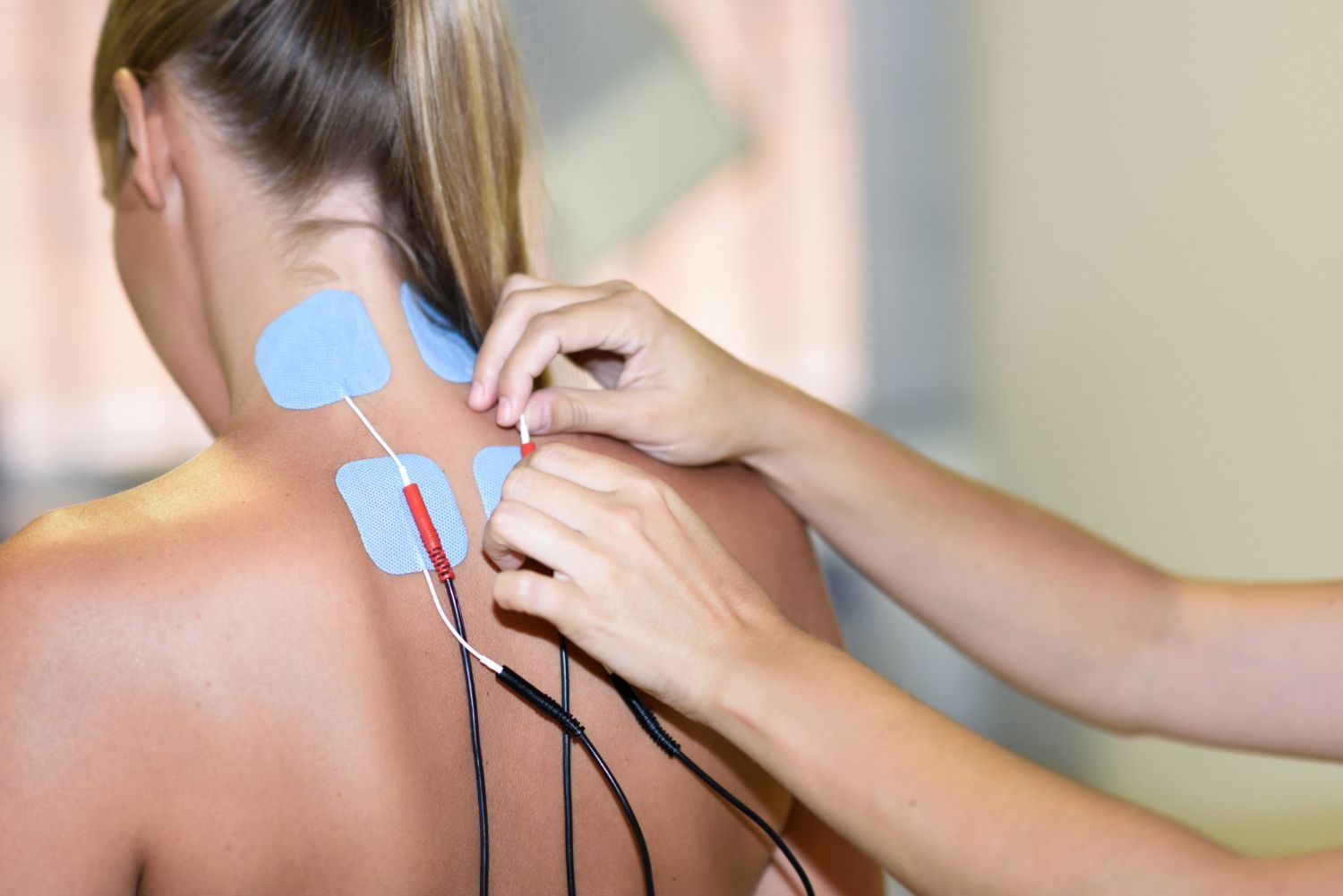
The needle EMG portion of the test involves small, thin electrodes inserted into specific muscles. Most patients describe it as mild discomfort rather than significant pain. The NCV portion uses surface electrodes and a brief electrical pulse, similar to a mild static shock. The full test typically takes 30 to 60 minutes depending on how many areas are being evaluated.Can I have EMG and NCV testing done at Optimus, or do I need to go to a separate facility?
EMG and NCV testing is performed in-office at our Dover, DE clinic. You do not need a referral to an outside electrodiagnostic lab. Testing is ordered and performed by your treating provider and integrated directly into your clinical record, which keeps your documentation chain intact.Will EMG and NCV findings help my personal injury attorney?
Yes. Electrodiagnostic findings are objective, measurable, and difficult to challenge, which makes them highly valuable in PI cases involving disc herniation, radiculopathy, or peripheral nerve injury. The findings confirm nerve involvement, establish severity, and provide causation documentation that supports both settlement negotiations and litigation. Optimus reports are structured specifically for personal injury use.How soon after my accident should I have electrodiagnostic testing done?
EMG and NCV testing is most informative when performed after nerve injury patterns have had time to develop; generally two to four weeks post-injury, though timing depends on your specific symptoms and clinical presentation. If you are already experiencing radiating pain or numbness, contact us promptly so we can determine the appropriate evaluation timeline for your case.
Ready to Start Your Recovery?
Most patients can be seen within 24–48 hours of their first call. The sooner your injuries are evaluated and documented, the stronger your path forward — medically and legally.