At Optimus Injury Treatment Center, every patient who walks through our door has been hurt in an accident, injured on the job, or affected by a traumatic event. That is the entirety of what we do. No maintenance care. No general wellness. No commercial patients. Our practice exists at the intersection of serious injury and the advocacy that follows it — and we have built every clinical system around that single purpose.
We are a personal injury chiropractic and functional rehabilitation practice serving patients across Delaware and southeastern Pennsylvania, with our primary clinic in Dover, DE and satellite locations extending our reach statewide.
Whiplash Treatment for Car Accident Injuries in Delaware
What Actually Happens to Your Neck in a Collision
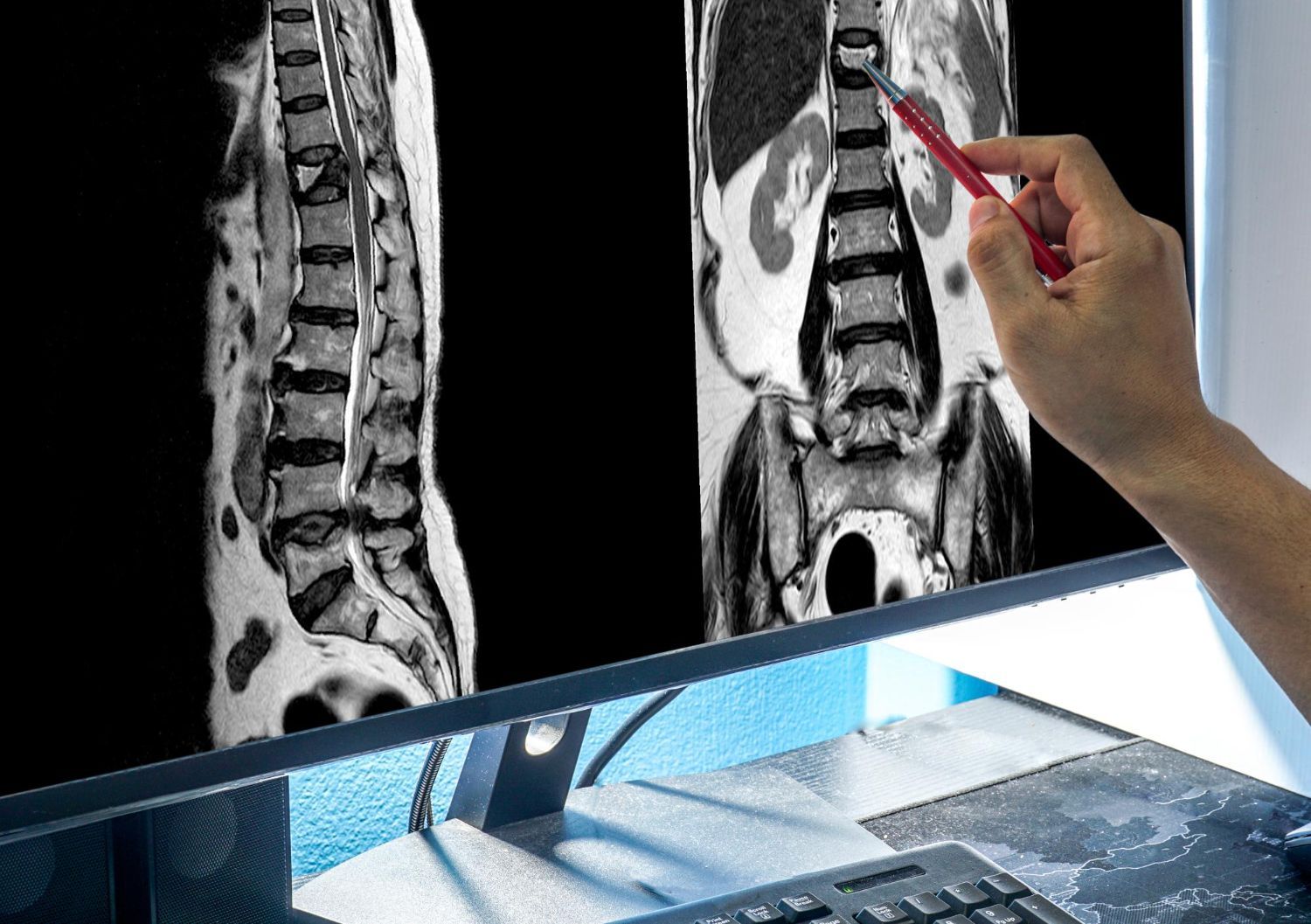
In a rear-end or side-impact crash, the head snaps forward and backward faster than the muscles can respond. That rapid hyperflexion-hyperextension motion shears the soft tissues of the cervical spine, compresses and destabilizes facet joints, and places acute stress on the upper cervical segments. The result is a cascade of injury that standard ER imaging often doesn't capture, because X-rays and CT scans reveal fractures, not soft tissue disruption or functional instability.
What makes upper cervical whiplash particularly significant is its proximity to the brainstem and cranial nerve pathways. In moderate to severe impacts, the same forces that injure the cervical spine can produce neurological symptoms that overlap with traumatic brain injury: cognitive fog, dizziness, visual disturbance, and difficulty concentrating. These aren't coincidental complaints: they're part of the injury pattern, and they require evaluation beyond a standard neck exam.
Delayed Symptoms Don't Mean Minor Injury
One of the most common things patients tell us is that they felt relatively fine right after the accident, and then woke up two or three days later barely able to turn their head. That experience is clinically normal and well-documented. Adrenaline and acute inflammation responses can mask the full severity of a cervical injury for 24 to 72 hours post-impact, sometimes longer.
Delayed onset does not mean the injury is less serious, and it does not mean it's too late to act. Treatment initiated days or even several weeks after a collision still produces strong clinical outcomes. What matters is that you don't wait for symptoms to resolve on their own, because untreated whiplash doesn't reliably resolve. It progresses to chronic cervicogenic pain, persistent headache patterns, and measurable loss of cervical range of motion that becomes harder to reverse the longer it goes unaddressed.
If you've been telling yourself the stiffness will pass, that's a sign, not a phase.
What the Optimus Whiplash Evaluation Covers
Our whiplash evaluation is built around the specific injury mechanisms of motor vehicle collisions, not a general chiropractic intake. Every evaluation includes:
- Cervical range of motion measurement using objective, documentable protocols
- Orthopedic testing to identify joint, disc, and ligament involvement
- Upper cervical assessment targeting C0–C2 instability and facet dysfunction
- NeckCare cervical assessment for precise segmental injury mapping
- Neurological screening to identify TBI-adjacent symptoms that require further evaluation
That last component matters more than most patients expect. If you're experiencing headaches, brain fog, light sensitivity, or balance issues alongside your neck pain, those symptoms don't belong in a separate conversation; they belong in the same evaluation. Our clinical model connects cervical injury and neurological presentation from the first visit, which means nothing gets missed and nothing gets attributed to stress or anxiety when it has a documentable physical origin.
Whiplash Treatment That Builds Toward Full Recovery
Treatment at Optimus is structured, progressive, and calibrated to your specific injury pattern, not a standing weekly adjustment schedule with no defined endpoint. For whiplash, that typically includes:
- Chiropractic manipulation and mobilization targeting the injured cervical segments
- Soft tissue therapy to address myofascial restriction and muscle guarding
- Functional rehabilitation to restore strength, stability, and range of motion
- Dry needling as an adjunct for pain modulation and tissue recovery, where indicated
- Neurological rehabilitation if upper cervical or TBI-adjacent symptoms are present
Dr. Robert Buckley, D.C., DACRB, holds a Diplomate in Functional Rehabilitation with more than 35 years of clinical experience focused exclusively on injury care. That credential distinction matters: functional rehabilitation training is specifically designed for post-injury recovery, not general wellness care. Every treatment decision is made in the context of your injury mechanism, your functional deficits, and your recovery trajectory.
Documentation That Supports Your Personal Injury Case
If you're working with a personal injury attorney (or if you haven't yet but your accident was caused by another driver) the clinical record we build matters as much as the treatment itself. Whiplash is frequently contested in litigation because it produces symptoms that standard imaging doesn't confirm. Our documentation is designed to close that gap.
Every whiplash case at Optimus generates objective, mechanism-specific records that include range of motion measurements, orthopedic and neurological findings, causation analysis linking your injury pattern to the collision forces involved, and functional deficit documentation that translates directly into settlement-relevant evidence. We maintain 20+ active attorney referral partnerships across Delaware, and our reports are structured to meet the evidentiary standards those attorneys work with every day.
Your injury is real. The documentation should reflect that.
Answers to Common Questions About Whiplash After a Car Accident
How long does whiplash take to heal with chiropractic treatment in Delaware?
Recovery timelines vary based on the severity of the cervical injury, how quickly treatment was initiated, and whether neurological involvement is present. Mild to moderate whiplash typically responds within 6 to 12 weeks of structured care. More complex cases involving upper cervical instability or TBI-adjacent symptoms may require a longer, phased treatment approach. Your provider will establish a defined recovery plan after your initial evaluation.I didn't feel bad right after the accident. Is it too late to get treatment?
No. Delayed-onset whiplash symptoms are well-documented and clinically expected: adrenaline and acute inflammation can suppress the full presentation of a cervical injury for 24 to 72 hours or more. Treatment initiated days or several weeks after a collision still produces strong outcomes. What matters is starting before untreated injury progresses to a chronic condition.What is cervical acceleration-deceleration injury and how is it different from a regular neck sprain?
Cervical acceleration-deceleration injury is the clinical term for whiplash: it describes the mechanism by which the neck is forced rapidly beyond its normal range of motion in a collision. Unlike a typical neck sprain from overuse or awkward positioning, this injury involves high-velocity forces that can disrupt facet joints, shear ligament tissue, and stress the upper cervical spine in ways that carry neurological implications. It requires mechanism-specific evaluation, not a standard soft tissue protocol.Can whiplash cause brain fog, headaches, and dizziness?
Yes. Upper cervical whiplash places stress on structures in close proximity to the brainstem and cranial nerve pathways. Symptoms including cognitive fog, headaches, dizziness, light sensitivity, and visual disturbance can result from the cervical injury itself, from a concurrent mild traumatic brain injury, or from both. Our evaluation includes neurological screening specifically to identify and document these presentations rather than attribute them to stress or leave them unexplained.Will my whiplash treatment be covered if I was in a car accident that wasn't my fault?
In most cases, yes. Personal injury protection (PIP) coverage and third-party liability claims can cover chiropractic and rehabilitation care following a car accident in Delaware. We work with patients on a lien basis in personal injury cases, which means treatment is not contingent on your ability to pay out of pocket while your case is pending. Our payment and insurance page covers the details, and our team can walk you through your specific situation at your first visit.
Ready to Start Your Recovery?
Most patients can be seen within 24–48 hours of their first call. The sooner your injuries are evaluated and documented, the stronger your path forward — medically and legally.