At Optimus Injury Treatment Center, every patient who walks through our door has been hurt in an accident, injured on the job, or affected by a traumatic event. That is the entirety of what we do. No maintenance care. No general wellness. No commercial patients. Our practice exists at the intersection of serious injury and the advocacy that follows it — and we have built every clinical system around that single purpose.
We are a personal injury chiropractic and functional rehabilitation practice serving patients across Delaware and southeastern Pennsylvania, with our primary clinic in Dover, DE and satellite locations extending our reach statewide.
What to Do After the ER Sends You Home
Why Your Primary Care Doctor Isn't the Right Next Step
Primary care medicine is built for routine health management: annual exams, chronic conditions, common illness. It is not designed for traumatic musculoskeletal injury from a vehicle collision. Most PCPs don't have the diagnostic tools, the clinical training, or the documentation protocols that auto accident injuries require.
That's not a criticism, it's a scope-of-practice reality. When your PCP tells you to rest and follow up in two weeks, they're doing what their training equips them to do. But whiplash, soft tissue injury, post-concussion syndrome, and functional neurological damage from a collision require a different kind of evaluation entirely. Your PCP handles the routine. We handle the accident.
At Optimus, our entire practice is built around one category of patient: people injured in auto accidents and workplace incidents. We do not provide maintenance care or general wellness services. Every protocol, every diagnostic tool, and every clinical report we produce is calibrated specifically for traumatic injury, and for the legal and insurance systems that follow.
What Happens When You Come In After an Accident
Your first visit at Optimus is a comprehensive post-accident evaluation, not a standard chiropractic appointment. Here is what that looks like:
- Injury intake and accident history: We document the mechanism of injury (the direction of impact, your position in the vehicle, the forces involved) because this context is essential for both clinical diagnosis and legal documentation.
- Musculoskeletal examination: We assess your spine, soft tissue, and range of motion to identify injury patterns that emergency imaging typically does not capture.
- Neurological screening: We evaluate for signs of traumatic brain injury and post-concussion syndrome, which frequently go undetected after ER discharge. If findings warrant it, we coordinate neuropsychological evaluation with Dr. Anthony Doran, Psy.D., our on-staff neuropsychologist.
- Diagnostic testing: Where clinically indicated, we perform EMG and NCV electrodiagnostic testing in-house to assess nerve function and document injury severity.
- Treatment planning: You leave your first visit with a clear plan; not a vague recommendation to rest.
- Documentation and coordination: We coordinate directly with your attorney and your auto insurance carrier. If you don't yet have an attorney, we can connect you with one.
You don't have to figure this out alone. One call, and we take it from here.
Why Timing Matters More Than Most Patients Realize
The window between your accident and your first specialist evaluation is one of the most consequential periods of your recovery, clinically and legally.
From a clinical standpoint, soft tissue injuries and neurological trauma respond better to early intervention. Delayed treatment allows compensatory movement patterns to develop, inflammation to become chronic, and neurological symptoms to deepen. The sooner we evaluate and begin treatment, the better your recovery outcomes.
From a documentation standpoint, early evaluation establishes a clear, time-stamped record linking your injuries to the accident event. This is foundational for any personal injury claim in Delaware. Every day between the accident and your first documented specialist visit is a gap that insurance adjusters and opposing counsel will use to argue your injuries were pre-existing or unrelated. The sooner we evaluate, the stronger your record.
PIP Coverage Pays for This Without a PCP Referral
Most Delaware accident victims don't realize that their auto insurance policy includes Personal Injury Protection (PIP) coverage, and that PIP pays for specialist follow-up care like the evaluation and treatment we provide at Optimus, without requiring a referral from your primary care doctor.
Delaware law requires a minimum of $15,000 in PIP coverage on every auto insurance policy. That coverage is available to you regardless of who was at fault in the accident. It exists specifically to ensure accident victims can access medical care immediately, without waiting for a liability determination or paying out of pocket.
We handle PIP billing directly. You do not need to navigate the insurance process on your own. When you call us, we verify your coverage, explain your benefits, and manage the coordination so you can focus on your recovery.
Injuries That Are Commonly Missed After ER Discharge
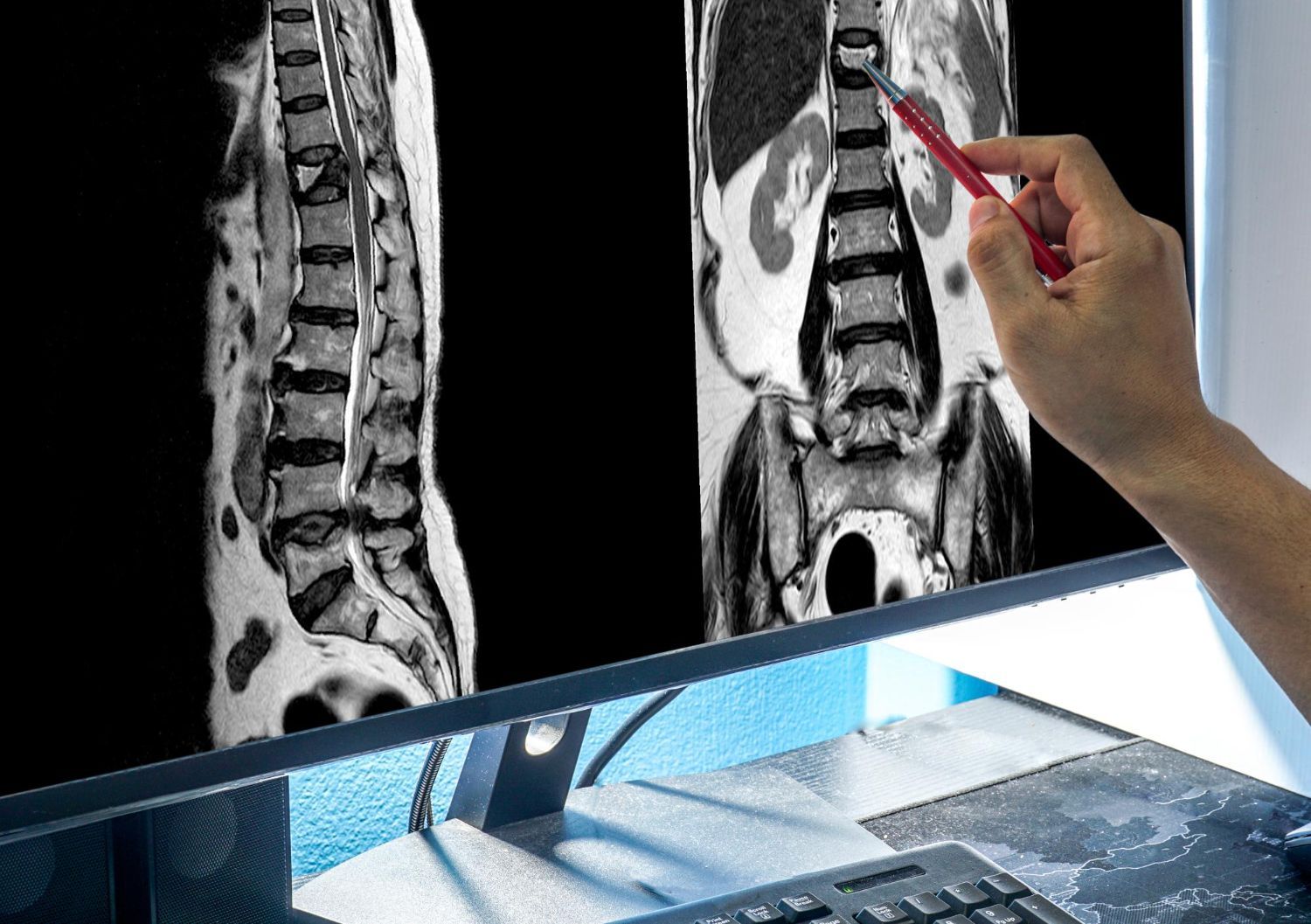
Emergency departments use imaging and assessment protocols designed to identify acute, life-threatening conditions. Several of the most common auto accident injuries fall outside that scope entirely and are routinely missed at discharge:
- Whiplash and cervical soft tissue injury: Ligament and muscle damage in the neck frequently does not appear on standard X-ray or CT imaging, yet produces chronic pain, limited range of motion, and headaches that persist for months without proper treatment.
- Low back and lumbar injury: Disc injuries, facet joint damage, and paraspinal muscle trauma are commonly underdiagnosed in the ER setting.
- Traumatic brain injury: Mild TBI and concussion can present with subtle symptoms (cognitive fog, light sensitivity, sleep disruption, mood changes) that are easy to attribute to stress or fatigue in the days after an accident.
- Post-concussion syndrome: When concussion symptoms persist beyond the expected recovery window, the condition requires specialized neurological evaluation and treatment, not watchful waiting.
- Nerve injury: Radiculopathy and peripheral nerve damage from spinal compression or direct trauma require electrodiagnostic testing to identify and document accurately.
If you experienced any of these symptoms after your accident and were cleared by the ER, you may still have an injury that warrants specialist evaluation. We offer a free TBI screening program for patients who are uncertain whether their neurological symptoms are significant.
Frequently Asked Questions About Post-Accident Follow-Up Care
What doctor should I see after being released from the ER after a car accident?
After ER discharge, the right next step is a specialist with specific training in traumatic musculoskeletal and neurological injury from vehicle collisions, not a general practitioner. At Optimus, Dr. Robert Buckley, D.C., DACRB, is a Diplomate in Functional Rehabilitation with more than 35 years of experience treating auto accident injuries exclusively. We provide the comprehensive evaluation, injury documentation, and treatment that post-accident patients need.How soon after a car accident should I see a doctor?
As soon as possible: ideally within the first 72 hours after discharge, and no later than two weeks post-accident. Early evaluation produces better clinical outcomes and creates a documented injury record that is far more defensible in a personal injury claim. The longer you wait, the harder it becomes to establish a clear link between your injuries and the accident.Do I need a referral from my primary care doctor to be seen at Optimus?
No. Delaware's PIP coverage allows you to seek specialist care directly after an auto accident without a referral. We verify your PIP benefits when you call and handle billing coordination on your behalf.What if I don't have any obvious pain yet? Should I still come in?
Yes. Many of the most significant auto accident injuries (soft tissue damage, mild traumatic brain injury, nerve compression) do not produce immediate, obvious pain. Adrenaline and inflammation patterns can mask symptoms for days or weeks. A comprehensive evaluation after discharge is the only way to rule out injuries that may worsen without treatment.Can Optimus work with my personal injury attorney?
Absolutely! Coordinating with attorneys is a core part of how we work. We structure our clinical reports specifically for personal injury litigation, and we maintain active referral relationships with 20+ attorney partnerships across Delaware. If you don't yet have an attorney, we can help connect you with one.
Ready to Start Your Recovery?
Most patients can be seen within 24–48 hours of their first call. The sooner your injuries are evaluated and documented, the stronger your path forward — medically and legally.