At Optimus Injury Treatment Center, every patient who walks through our door has been hurt in an accident, injured on the job, or affected by a traumatic event. That is the entirety of what we do. No maintenance care. No general wellness. No commercial patients. Our practice exists at the intersection of serious injury and the advocacy that follows it — and we have built every clinical system around that single purpose.
We are a personal injury chiropractic and functional rehabilitation practice serving patients across Delaware and southeastern Pennsylvania, with our primary clinic in Dover, DE and satellite locations extending our reach statewide.
Your X-Ray Was Fine. Your Neck Isn't.
What a Car Accident Actually Does to Your Cervical Spine
The cervical spine (seven vertebrae running from the base of your skull to your upper back) absorbs enormous force in a collision, even at low speeds. That force doesn't always fracture bone. More often, it tears ligaments, compresses or herniates discs, and disrupts the small facet joints that control how your neck moves and loads.
The injury pattern depends on how the collision occurred, your head position at impact, and the structural vulnerabilities you already had. Common cervical injury presentations after a car accident include:
- Cervical ligamentous instability, particularly at C1-C2 and C2-C3
- Disc herniation or bulging at C4-C5, C5-C6, or C6-C7
- Facet joint dysfunction producing localized pain and restricted rotation
- Upper cervical injury at C1-C2 affecting the brainstem junction
- Radiculopathy with referred pain, numbness, or tingling into the arms and hands
Each of these requires a different clinical approach, and a different documentation strategy for your personal injury case.
Why Your Headaches, Dizziness, and Brain Fog May Be Coming from Your Neck
One of the most underrecognized consequences of upper cervical injury is its ability to produce symptoms that look and feel neurological. Patients often arrive having been told their headaches are from stress, their dizziness is anxiety, or their cognitive fog is a normal response to trauma. In many cases, the actual source is structural.
The upper cervical spine at C1 and C2 sits directly adjacent to brainstem structures that regulate vestibular function, visual tracking, and autonomic control. When these segments are injured, compressed, or destabilized, the downstream effects can include persistent headache, positional dizziness, visual disturbance, and difficulty concentrating. These are not psychological symptoms. They are measurable functional deficits with a physical cause.
At Optimus, we evaluate upper cervical injury with this connection in mind. When cervical findings overlap with TBI-adjacent symptoms, we coordinate with our neuropsychologist, Dr. Anthony Doran, Psy.D., to ensure nothing is attributed to stress that belongs in the clinical record.
How We Evaluate Cervical Spine Injury After a Car Accident
A neck injury diagnosis built for litigation has to be objective. Subjective pain complaints alone do not hold up in a contested personal injury claim; and the opposing side knows it. Our cervical evaluation protocol is designed to produce documented, measurable findings that reflect the true extent of your injury.
Dr. Robert Buckley, D.C., DACRB (a Diplomate in Functional Rehabilitation with more than 35 years of injury-focused clinical experience) conducts each evaluation using a structured protocol that includes:
- Orthopedic and neurological examination of the cervical spine
- NeckCare cervical assessment, a validated tool for measuring functional range of motion with objective output
- Mechanism-of-injury analysis correlating the collision dynamics to the injury pattern
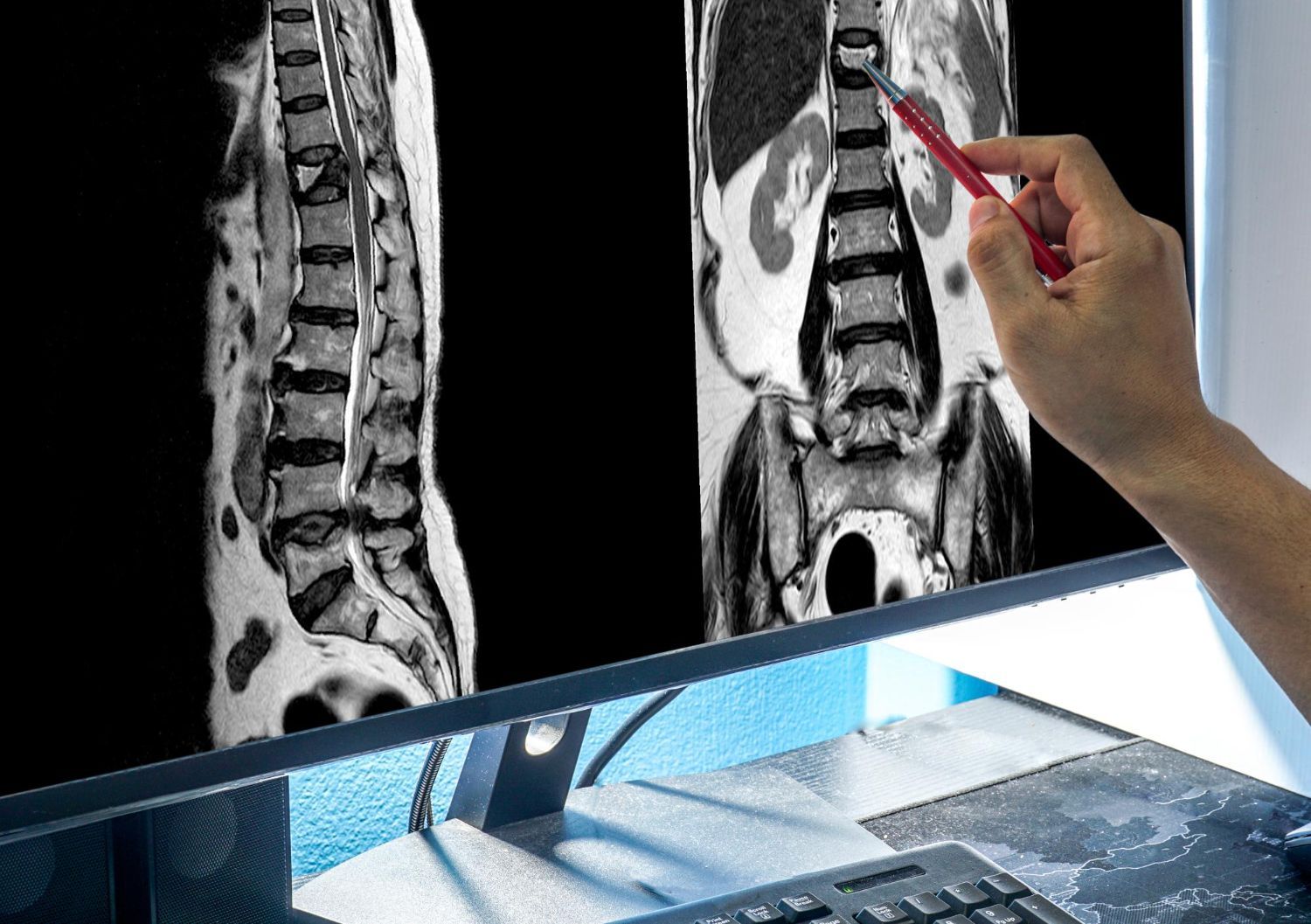
- MRI and imaging review when available, with clinical correlation to physical findings
- Radiculopathy screening for upper extremity involvement
- Upper cervical assessment when neurological symptoms are present
The result is a clinical picture that explains not just where it hurts, but why, and how the collision caused it.
Why Cervical Injury Is One of the Most Contested Claims in Personal Injury
Insurance carriers dispute cervical injury claims more aggressively than almost any other post-accident injury type. The argument is predictable: the X-ray was normal, the injury is subjective, and the symptoms are inconsistent with the collision severity. Overcoming that argument requires documentation that is specific, objective, and tied directly to the mechanism of injury.
Cervical ligamentous injury, in particular, is frequently missed or dismissed because standard radiographs are not sensitive to soft tissue damage. Functional range of motion testing, orthopedic provocation tests, and MRI review can document what X-rays cannot: but only if that documentation is generated by a provider who understands what attorneys and adjusters are looking for.
Optimus works with 20+ active attorney referral partners across Delaware and southeastern Pennsylvania. Our clinical reports are structured for the demands of personal injury litigation, with mechanism-of-injury analysis, objective functional findings, and clear causation language built in from the start.
Cervical Injury Treatment That Addresses the Full Injury
Documenting your injury is the first step. Treating it is the other half of the work. Our treatment approach for cervical spine injury is calibrated to the specific structures involved, not a generic adjustment protocol applied to every neck complaint.
Depending on your injury pattern and clinical findings, your treatment plan may include:
- Chiropractic manipulation and mobilization targeting the affected cervical segments
- Functional neurological rehabilitation for upper cervical instability and associated neurological symptoms
- Dry needling to address deep cervical musculature and myofascial pain patterns
- Adaptive contrast oxygen therapy(ACOT) when cervical injury overlaps with TBI or post-concussion presentation
- Remote physical therapy and telehealth follow-up for patients managing distance or scheduling constraints
Every treatment decision is made against the backdrop of your documentation, so your clinical progress is reflected in the record that follows your case.
Neck Injury After a Car Accident — Questions We Hear Often
My neck hurts but the ER said my X-ray was normal. Does that mean I'm not injured?
No. Standard X-rays are effective at identifying fractures but are not sensitive to soft tissue injuries: including ligamentous tears, disc herniations, and facet dysfunction, all of which are common in vehicle collisions. A normal X-ray rules out broken bone. It does not rule out a serious cervical injury. Functional range of motion testing, orthopedic examination, and MRI review can document injuries that plain films miss entirely.How long does neck pain after a car accident last in Delaware?
Recovery timelines vary significantly based on the injury type, the structures involved, and how quickly treatment begins. Muscular strain often resolves within weeks with appropriate care. Ligamentous instability, disc herniation, and facet injury can produce symptoms for months or longer if left untreated or mismanaged. Early, accurate diagnosis is the most reliable predictor of a shorter recovery, and a stronger clinical record if your case goes to litigation.Can a neck injury from a car accident cause headaches and dizziness?
Yes, and this connection is more direct than most patients realize. Upper cervical injury at C1 and C2 can disrupt the structures adjacent to the brainstem that regulate vestibular function and head position sense. The result is often persistent headache, positional dizziness, and visual tracking difficulty; symptoms that are frequently attributed to stress or anxiety when the actual cause is structural and measurable.What is NeckCare cervical assessment?
NeckCare is a validated clinical tool used to measure functional cervical range of motion with objective, reproducible output. Unlike a clinician estimating range of motion by observation, NeckCare generates quantified data that reflects actual functional limitation. That data is meaningful in a personal injury context because it is objective, documented, and tied directly to the physical examination: not a subjective pain report.Do I need a referral from my attorney to be seen at Optimus?
No referral is required. You can contact us directly to schedule your evaluation. If you are working with a personal injury attorney, we are experienced in coordinating directly with legal teams and can provide the documentation your attorney needs as your case progresses. If you do not yet have an attorney, we can discuss your options during your initial visit.
Ready to Start Your Recovery?
Most patients can be seen within 24–48 hours of their first call. The sooner your injuries are evaluated and documented, the stronger your path forward — medically and legally.