At Optimus Injury Treatment Center, every patient who walks through our door has been hurt in an accident, injured on the job, or affected by a traumatic event. That is the entirety of what we do. No maintenance care. No general wellness. No commercial patients. Our practice exists at the intersection of serious injury and the advocacy that follows it — and we have built every clinical system around that single purpose.
We are a personal injury chiropractic and functional rehabilitation practice serving patients across Delaware and southeastern Pennsylvania, with our primary clinic in Dover, DE and satellite locations extending our reach statewide.
Low Back Injury Treatment After a Car Accident in Delaware
Why Car Accidents Cause Lumbar Injuries Even When You're Wearing a Seatbelt
A seatbelt does exactly what it's designed to do: it restrains your torso from moving forward on impact. But that restraint doesn't eliminate the forces acting on your lumbar spine. In a rear-impact collision, the pelvis is driven forward while the upper body is held back, creating shear and compression forces through the lumbar vertebrae and surrounding structures. The result is injury that can be significant even when the crash looks minor from the outside.
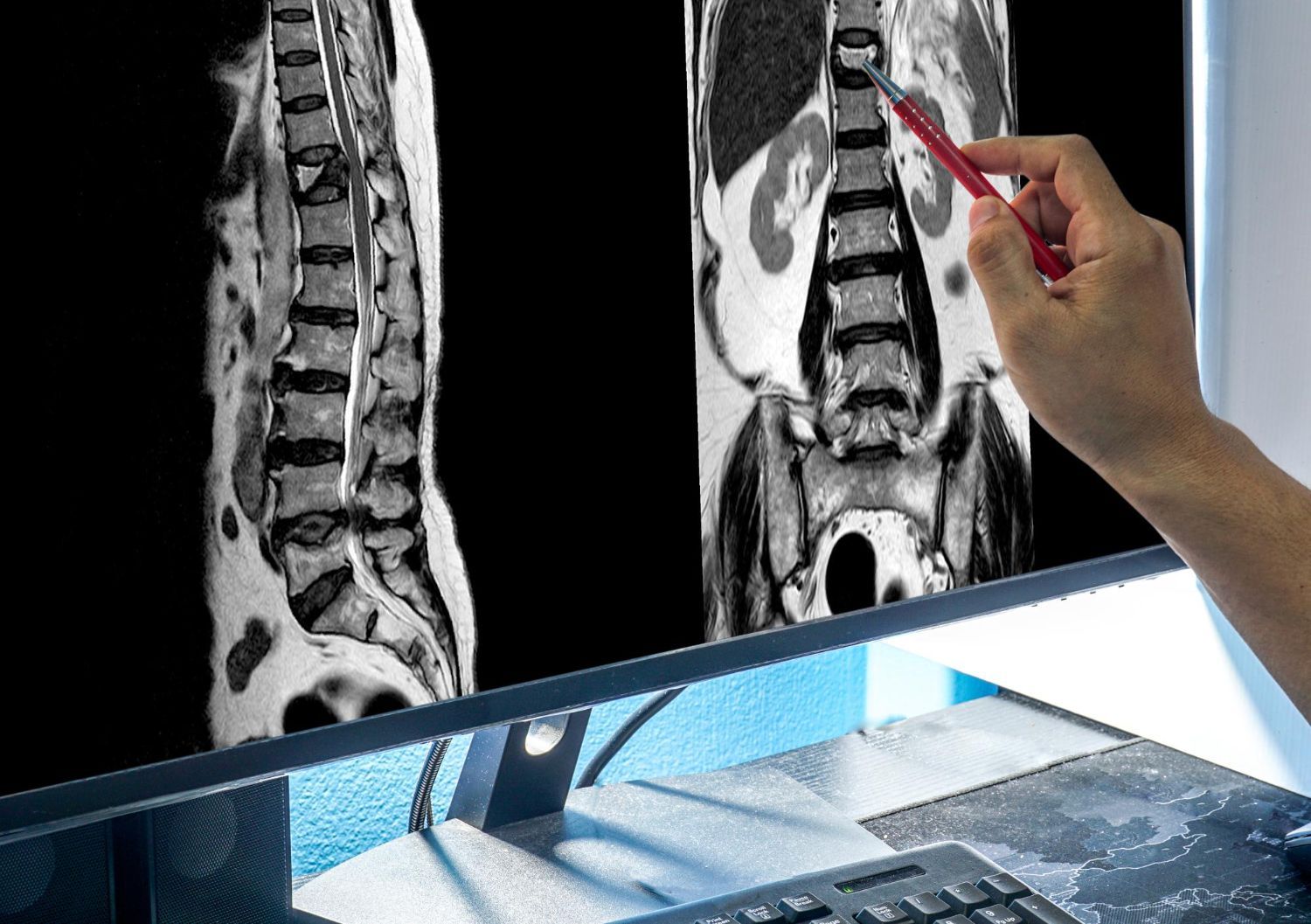
The lumbar injuries we see most often following motor vehicle accidents include:
- Facet joint injury, where the small joints connecting vertebrae are compressed or torqued beyond their normal range
- Disc herniation or bulge, where the intervertebral disc shifts and presses on nearby nerve roots
- Lumbar ligamentous sprain, where the stabilizing ligaments of the lower spine are overstretched or partially torn
- Sacroiliac joint dysfunction, where the joint connecting the spine to the pelvis is disrupted
- Paraspinal muscle strain, involving the deep muscles that run along either side of the lumbar spine
Why Your Low Back Pain May Not Be Getting the Attention It Deserves
Insurance adjusters frequently minimize lumbar soft tissue injury; not because it isn't real, but because it's easy to challenge without objective supporting documentation. If your only records are an ER visit and a prescription for pain medication, you're giving the adjuster room to argue that your injury was minor or pre-existing.
Believed isn't enough. Documented is what matters.
Optimus produces functional assessment records that go well beyond a standard office note. Our documentation captures how your lumbar injury affects your range of motion, load tolerance, and daily functional capacity: the kind of objective findings that hold up when an adjuster or opposing attorney pushes back on the severity of your claim. We work closely with personal injury attorneys throughout Delaware and southeastern Pennsylvania, and our clinical records are structured from the start to support litigation.
Low Back Pain That Doesn't Go Away Is Telling You Something
Many patients come to us weeks after their accident, still assuming the pain will resolve on its own. Some were told in the ER that nothing was broken and interpreted that as clearance. It isn't. Fractures and soft tissue injuries are different categories of harm, and the ER is not equipped to evaluate lumbar facet injury, disc pathology, or sacroiliac dysfunction, nor is that their job.
Untreated lumbar facet and disc injuries frequently progress to chronic pain syndrome, where the original injury becomes compounded by compensatory movement patterns, muscle imbalance, and central sensitization. Early, structured rehabilitation significantly reduces the risk of long-term functional limitation. If your low back has been hurting since the accident and you haven't been evaluated by a provider who specializes in post-collision injury, now is the time.
How We Treat Lumbar Injury After a Car Accident
Treatment at Optimus is structured around restoring function, not just managing pain. For lumbar injury following a motor vehicle accident, our approach typically includes a combination of the following:
- Chiropractic manipulation to restore proper segmental motion through the lumbar spine and sacroiliac joint
- Targeted soft tissue therapy to address paraspinal muscle guarding, trigger points, and myofascial restriction
- Functional rehabilitation exercises designed to rebuild lumbar stability and correct movement patterns disrupted by the injury
- Interferential muscle stimulation to reduce inflammation, interrupt pain signaling, and support tissue recovery
- Dry needling as an adjunct therapy for persistent muscular pain and neuromuscular inhibition
Every treatment plan is calibrated to your specific injury pattern, not a generic low back protocol. If your case involves workers' compensation, we document return-to-work readiness and functional work restrictions so you and your employer have a clear picture of where you stand.
What Happens If Your Job Requires Physical Labor
A lumbar injury that limits lifting, bending, or sustained posture is not a minor inconvenience when your livelihood depends on physical capacity. We hear from patients regularly who are afraid their injury is going to cost them their career; and that fear is legitimate.
Functional rehabilitation at Optimus is designed specifically to restore work-related physical capacity. We assess what you can and cannot do, document it objectively, and build a rehabilitation plan aimed at closing that gap. For workers' compensation cases, we generate functional capacity findings that give case managers, employers, and attorneys the documentation they need to make accurate decisions about work restrictions and return-to-work timelines. You shouldn't have to guess about what comes next, and neither should anyone else involved in your case.
Common Questions About Low Back Injury After a Car Accident
How do I know if my low back pain after a car accident is serious?
Any lumbar pain that persists beyond a few days following a collision warrants a proper evaluation. Low back pain after a car accident in Delaware is frequently caused by facet joint injury, disc herniation, or ligamentous sprain, none of which are visible on a standard ER X-ray. A functional assessment by a provider who specializes in motor vehicle injuries is the only way to know what you're dealing with.Can I have a lumbar disc herniation from a car accident even if my pain started days later?
Yes. Delayed onset of low back pain after a car accident is common. Inflammation builds gradually, and adrenaline in the immediate aftermath of a collision can mask pain signals. A disc herniation or facet injury present at the time of impact may not produce significant symptoms until 24 to 72 hours later, or longer.Will my lumbar injury be covered under my auto insurance or the at-fault driver's policy?
In most cases, yes. Delaware operates under a no-fault insurance system, which means your own Personal Injury Protection (PIP) coverage applies first regardless of who caused the accident. Our team is experienced in navigating PIP claims and can help coordinate with your insurer or your attorney's office. We accept PIP and workers' compensation: we do not bill commercial health insurance for injury care.Why do insurance companies push back on low back injury claims?
Lumbar soft tissue injury is among the most frequently disputed injury types in personal injury claims because it can be difficult to quantify without objective functional documentation. Adjusters often rely on the absence of fracture findings on ER imaging to argue that the injury is minor. Comprehensive functional assessment records (the kind we produce at Optimus) counter that argument with measurable clinical findings.How long does low back injury treatment after a car accident typically take?
Treatment duration depends on the nature and severity of the injury. Lumbar sprain and paraspinal strain may resolve with six to twelve weeks of structured rehabilitation. Facet joint injury and disc herniation often require longer courses of care, and some patients benefit from advanced therapies such as adaptive contrast oxygen therapy or electrodiagnostic testing to guide the treatment plan. We evaluate each case individually and adjust the plan as your recovery progresses.
Ready to Start Your Recovery?
Most patients can be seen within 24–48 hours of their first call. The sooner your injuries are evaluated and documented, the stronger your path forward — medically and legally.