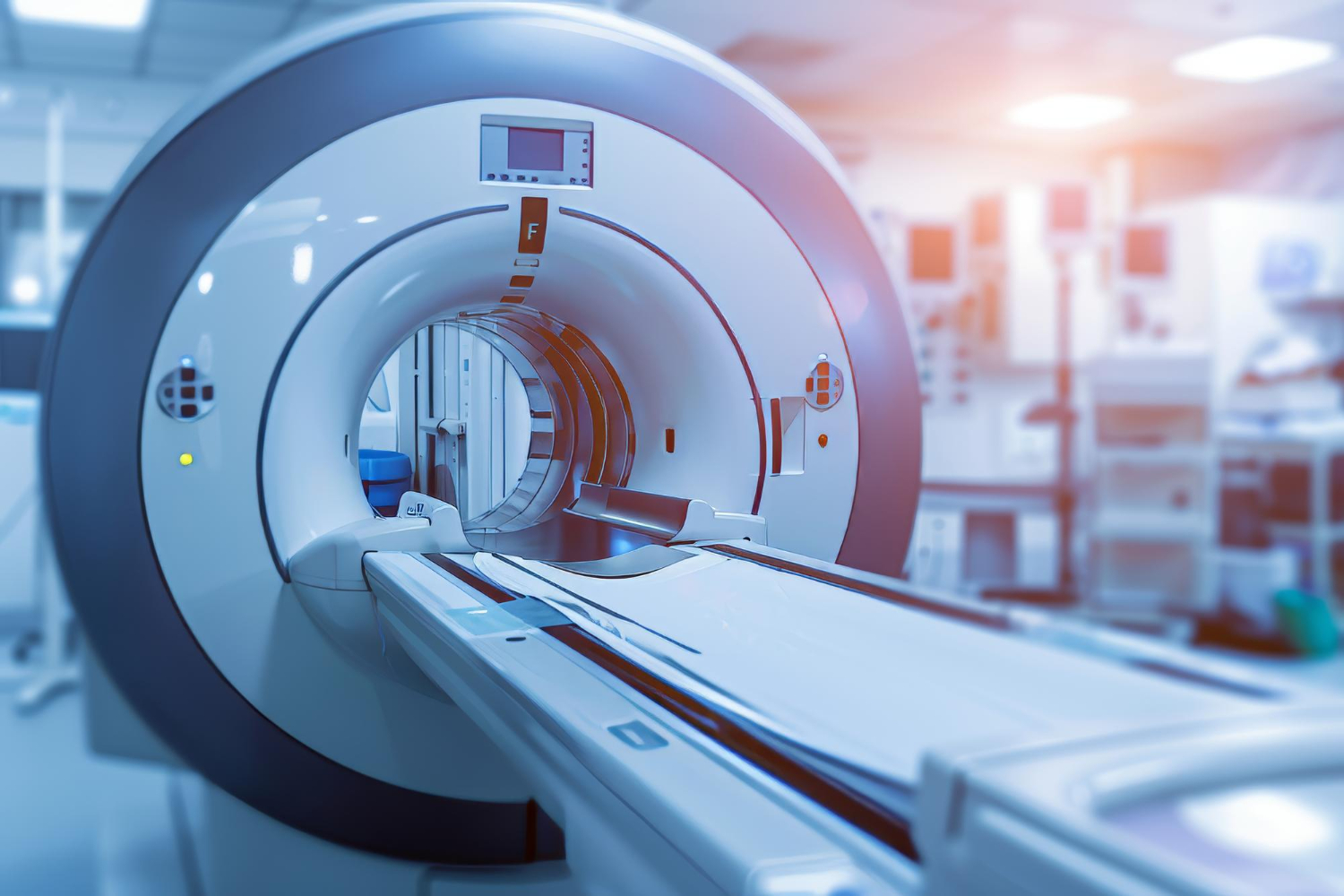
After a car accident, a normal CT or MRI can be reassuring—but it does not automatically explain ongoing headaches, brain fog, dizziness, fatigue, or trouble concentrating. CT and MRI are designed primarily to identify structural damage, such as bleeding, fractures, swelling, or larger tissue changes; they do not directly measure functional or metabolic brain injury at the microscopic axonal level. If symptoms persist, a functional evaluation can help identify problems that a standard image may not show.
At Optimus Injury Treatment Center in Dover, DE, we help Delaware car accident patients move beyond the frustrating phrase, “Your scan is normal,” with objective testing and a care plan tailored to their symptoms and functional needs.
A Normal Scan Is Important—But It Is Not the Whole Story
In the emergency setting, CT imaging is often used to quickly look for urgent problems, including bleeding in or around the brain and skull fractures. MRI can provide more detailed pictures of brain structures and may be used when further structural evaluation is appropriate. These studies are valuable tools, especially when clinicians need to rule out conditions requiring immediate treatment.
However, imaging answers a particular question: Is there visible structural damage?
It is not a direct measurement of how efficiently the brain is processing information, regulating attention, coordinating movement, or recovering after a rapid acceleration-deceleration injury.
That distinction matters after a motor vehicle collision. A person can experience a significant force to the brain without a direct blow to the head. When the head and body stop suddenly, the brain can move within the skull. The resulting forces may affect delicate neural connections, including axons—the long fibers that help brain cells communicate—even when no large structural abnormality is visible on routine imaging.
Structural TBI vs. Functional TBI
Structural traumatic brain injury refers to damage that can be seen on imaging or during other medical evaluation. Examples may include a skull fracture, hemorrhage, contusion, or swelling. These findings deserve prompt medical attention and can guide urgent treatment decisions.
Functional TBI describes a different but equally important concern: changes in how the brain performs. After a concussion or mild traumatic brain injury, a patient may struggle with memory, attention, reaction time, processing speed, sleep, mood, vision, balance, or sensory tolerance. The symptoms are real, even when a scan does not display a clear lesion.
“Functional” does not mean imagined, minor, or unimportant. It means the evaluation looks at performance and symptoms, not just anatomy. For someone trying to return to work, drive safely, care for children, study, or manage a personal injury claim, those day-to-day limitations can be highly significant.
Why Symptoms May Continue After a Car Accident
Symptoms can begin immediately, but they do not always feel obvious at the scene of a crash. Adrenaline, pain, disrupted sleep, neck injury, stress, and the demands of daily life can all make symptoms more noticeable over the following days. Common concerns include headaches, dizziness, nausea, sensitivity to light or noise, blurred vision, feeling slowed down, forgetfulness, irritability, anxiety, and difficulty finding words.
Neck and soft-tissue injuries can also overlap with concussion-like symptoms. That is why a thorough evaluation should consider the whole patient rather than treating one test result as the final word. At Optimus Injury Treatment Center, our Dover, Delaware team considers the mechanism of injury, symptom pattern, physical findings, cognitive performance, and appropriate referrals when developing a next-step plan.
What CNS Vital Signs Testing Measures
CNS Vital Signs is a computerized neurocognitive assessment that can provide objective information about multiple areas of brain performance. Depending on the testing battery and clinical context, it may assess domains such as verbal and visual memory, processing speed, psychomotor speed, reaction time, complex attention, executive function, cognitive flexibility, simple attention, and motor speed.
These are the skills people rely on when they follow a conversation, organize tasks, react while driving, remember instructions, switch between responsibilities, and make decisions under pressure. A patient may be able to describe feeling “off,” but objective neurocognitive testing can help identify patterns that warrant closer clinical attention.
CNS Vital Signs testing is not a stand-alone diagnosis and should not replace emergency care, imaging when indicated, or a comprehensive examination. Instead, it is one component of a functional TBI evaluation. It can help establish a measurable baseline, guide rehabilitation decisions, monitor change over time, and support clear documentation of cognitive concerns after an accident.
Why “Normal” Does Not Mean “No Injury”
A normal CT or MRI can mean there is no visible emergency-level structural finding on that study. That is good news. It does not necessarily mean there has been no concussion, no disruption in brain function, or no need for follow-up when symptoms continue.
The right question is not simply, “Was the scan normal?” It is also, “How is this person functioning now, and what has changed since the crash?” When ongoing symptoms interfere with life, an objective evaluation can make the next steps clearer. Delaware patients deserve to be heard, assessed carefully, and given recommendations based on their individual presentation.
To learn more about a comprehensive assessment, visit our TBI Diagnosis and Evaluation
page. If you are unsure whether your symptoms may warrant further attention, our Free TBI Screening
is a practical starting point.
When to Seek Urgent Care
Persistent symptoms should be evaluated, but certain symptoms require urgent medical attention. Seek emergency care right away for worsening or severe headache, repeated vomiting, increasing confusion, unusual behavior, weakness or numbness, seizures, slurred speech, loss of consciousness, unequal pupils, or difficulty staying awake. When in doubt after a head injury, it is safer to seek immediate medical guidance.
FAQ
Can I have a brain injury if I did not hit my head?
Yes. Rapid acceleration, deceleration, and rotational forces in a car accident can affect the brain even without a direct head strike. A clinician should evaluate your symptoms and the details of the collision.
Does a normal MRI rule out a concussion?
No. A normal MRI can be helpful in ruling out certain structural findings, but concussion and other functional problems may not be visible on conventional imaging. Clinical and functional assessment remain important when symptoms persist.
What happens during a functional TBI evaluation?
An evaluation may include a detailed injury history, symptom review, examination, and objective neurocognitive testing such as CNS Vital Signs. Recommendations are based on the complete clinical picture and may include rehabilitation, further evaluation, or referral when appropriate.
Why is objective testing useful after an accident?
Objective testing can help document measurable areas of cognitive performance, guide individualized care, and track progress. It also gives patients and their care team a clearer starting point than symptoms alone.
Take the Next Step in Dover, Delaware
If you are still experiencing symptoms after a car accident—even though your CT or MRI was read as normal—do not assume you simply have to wait it out. Schedule a functional TBI evaluation at Optimus Injury Treatment Center in Dover, DE, and let our team help you pursue clearer answers, objective documentation, and a personalized path toward recovery.